KWS dismisses reports of Hell’s Gate closure amid El Nino flood fears
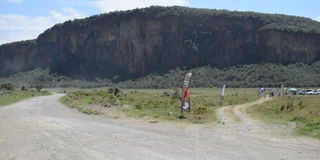
Inside the Hell's Gate National Park. Photo taken on 31 August, 2025.

The Kenya Wildlife Service (KWS) has dismissed reports that Hell's Gate Gorge in Naivasha has been closed over anticipated El Niño rains, clarifying that the attraction site remains open, but visitors are subject to safety guidance.
The clarification follows reports on November 9 that the gorge had been shut for the duration of the anticipated rainy season to prevent flash floods from claiming more lives.
Mr Duncan Juma- in charge of communication says remarks by the park's warden on preparedness for the anticipated rains may have been taken out of context.

Speaking in a phone interview with Mtaa Wangu, Juma says the warden had been responding to questions about the agency's preparedness for El Niño, but the media reports had focused on the possibility of a closure.
He says visitors are still allowed into the park, with access to the gorge subject to safety guidance and communication with people in surrounding areas.
Juma says a temporary closure could be considered for safety reasons if conditions warranted it, but insisted that the gorge had not been closed at the time of the interview.
“There are El Niño-related scares, but the gorge is under strict guidance by the warden and guides. We communicate with people in the Aberdares and Kinangop because the water that flows into the gorge comes from up there,” he says. “When it rains upstream, the information is relayed downstream. Even when it rains a little in those areas, people are alerted not to enter the gorge. In case of any incidents or safety concerns, there may be a temporary closure of the gorges, but they have not been closed at this time.”
The clarification comes as the Kenya Meteorological Department forecasts enhanced rainfall across much of the country during the October-December short rains season, including Nakuru County.
The rainfall outlook has renewed attention on the safety of visitors exploring the narrow Ol Njorowa Gorge, where flash floods have killed at least 14 people in two separate tragedies over the past 14 years.
In September 2019, seven people died after flash floods swept through the gorge as a group of visitors explored the attraction.
The victims included six tourists and their local tour guide.
The tragedy prompted KWS to close the gorge and review safety measures, including plans for escape routes, early-warning systems and sirens to alert visitors of approaching floodwaters.
It was the second deadly incident at the attraction following the April 2012 tragedy in which seven members of a PCEA Mukarara Church youth group from Nairobi drowned while on an excursion.
The group was exploring the gorge when sudden floodwaters swept through the area.
Following the incident, KWS suspended access to the gorges during the rainy season, citing the need to study the circumstances surrounding the tragedy and prevent further loss of life.
The 2019 deaths again raised questions about the effectiveness of safety measures at the attraction, which is popular with tourists seeking hiking, cycling and other outdoor experiences.
KWS subsequently announced plans to introduce escape routes and warning systems while training tour guides to monitor weather patterns and identify signs of approaching floodwaters.
Juma said KWS is keen to encourage Kenyans to visit and experience nature while observing safety guidance.