Businesses reap big from Prophet Dr David Owuor's three-day crusade
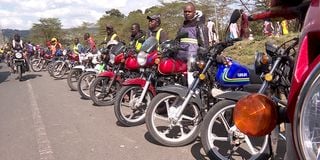
Boda boda riders parked at Soilo near the Holiness and Repentance Ministry crusade grounds.

Small and medium enterprises reaped big from the just concluded three-day mega crusade held by the Holiness and Repentance Ministry crusade at Menengai 8 grounds in Njoro.
From water and fruit vendors to boda boda riders and hawkers, the event which attracted thousands of worshipers created a steady flow of customers, with many traders reporting what they described as “three days of good business” driven by the large crowds attending the crusade.
For some, the event even prompted a temporary shift in profession like David Sailwa, who ordinarily works as a barber, decided to park his clippers and operate as a boda boda rider following the arrival of Prophet David Owuor in Nakuru.

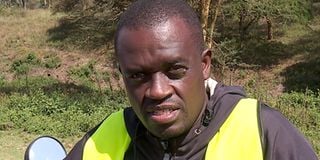
David Sailwa, operate as a boda boda rider following the arrival of Prophet David Owuor in Nakuru.
According to Sailwa, barbering had slowed down significantly during the crusade period, making it more practical to take advantage of the transport demand.
“I normally make about Sh700 on a good day at the barber shop,” Sailwa says. “However, during the three days of the crusade, I made about Sh1,500 per day ferrying people.”
He explains that most of his trips involved transporting worshippers from town and the tarmac to the crusade grounds. “In a day I make between eight to ten trips, mostly to town and from the tarmac to the crusade grounds, but I don’t overcharge,” he adds.
The ripple effect was also felt among food and snack vendors. Musa Mohammed, who sells ice cream and ice pops, noted that although he usually hawks his products within estates and the central business district, the crusade presented a better opportunity.
“The business really boomed compared to other days, especially because it was sunny and hot,” Mohammed says. He sells his products at between Sh10 and Sh30 per piece, prices he says attracted many buyers seeking refreshments during the long crusade sessions.
Retail traders equally reported a surge in sales. Dorothy Aswani attributes her strong performance to the sheer number of people attending the event. “There has been a boom in business because the numbers at the crusade were very high,” she notes.

Dorothy Aswani a trader at Soilo following the arrival of Prophet David Owuor in Nakuru.
According to Aswani, she managed to sell more than five crates of bread per day, over 12 crates of soda daily, and more than five dozen bottles of water. Reflecting on the experience, she says the year had closed on a high note for her business and urged the Nakuru County Government to consider lowering licensing fees.
“Lower fees would make it more favourable for small and medium enterprises to operate and grow,” she says.
Meanwhile, traders dealing in fresh produce also benefited. Lesly Omwoyo, a sugarcane vendor, set up camp at Soilo on December 28 and says demand has been unusually high.
“I normally sell about 20 sugarcanes a day,” Omwoyo explained. “When I heard about the crusade, I gambled and brought 500 sugarcanes to the grounds, and I have been selling all of them because the numbers are very high.”

Lesley Omwoyo sells sugarcanes following the arrival of Prophet David Owuor in Nakuru
Since setting up his stall, Omwoyo says he has been making between Sh. 10,000 and Sh20,000 per day, an amount he notes cannot be compared to his earnings on normal days.
Overall, the crusade highlighted how large religious gatherings continue to play a significant role in stimulating Nakuru’s informal economy, offering short-term but meaningful income opportunities for local traders.