Cabbage shortage adds pressure to rising food prices in Nakuru
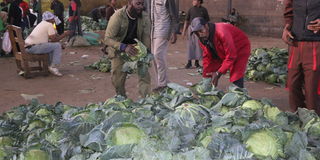
Traders pick through a heap of cabbages at Wakulima Market in Nakuru, where sellers say the Sh100 price per head is fixed

A visit to Nakuru’s Wakulima Market finds the cabbage section half empty. Stretches of bare, dusty floor sit between the traders’ spots, strewn with discarded outer leaves where stock would normally be heaped.
The spots that still have cabbages are crowded with shoppers and traders as customers bend over the piles trying to negotiate the price.
A cabbage is currently selling for Sh100 a piece, with traders saying failed rains and drought have reduced supplies and pushed prices beyond what some consumers are willing to pay.

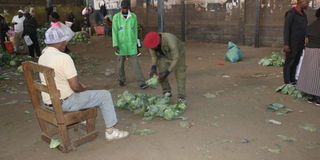
Bare patches of floor between cabbage sellers at Wakulima Market in Nakuru. Traders say drought and failed rains have reduced the cabbages reaching the market
The price is set with little to no room for bargaining as sellers insist the price is non-negotiable.
Traders like Dommie Lee, attributing the high prices to poor weather conditions, which he says have affected cabbage production and reduced the amount of produce reaching the market.
The rising cost is putting pressure on household food budgets, with cabbage among the vegetables commonly bought by families seeking affordable meals.
The market is a major distribution point for fresh produce supplied to retailers, households and traders from the county and neighboring regions.
The price pressure comes amid wider concerns over the cost of food in Kenya. In January 2026, traders in other parts of the country also attributed higher cabbage prices to drought and reduced supplies, with some consumers reporting that a whole head cost about Sh100.
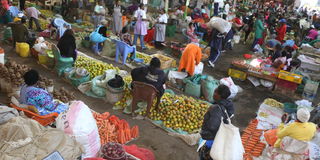
Photo of Wakulima market even as the cost of food puts pressure on household budgets.
Meanwhile, the latest fuel-price increase could add another challenge for food traders by raising the cost of transporting produce from farms to markets.
Higher transport costs can put additional pressure on traders already dealing with expensive or scarce supplies. However, the extent to which the latest fuel increase will affect cabbage prices in Nakuru remains unclear.
A few weeks back, in parts of Kuresoi, potato farmers and traders reported prices of between Sh4,000 and Sh5,000 for a 70-kilogramme bag, up from the usual Sh2,000 to Sh2,500, blaming a prolonged dry spell and frost that damaged crops.
The shortage also affected traders who rely on potatoes to prepare chips and other meals, with some reporting higher purchasing costs, smaller potatoes and difficulties obtaining supplies from their usual farmers.
This is on top of the milk shortage that has been experienced in Nakuru in recent weeks, which has left consumers struggling to find supplies even as prices rise. This has added to the pressure on household budgets, with consumers now having to contend with the cost and availability of several everyday food items.
The situation has raised concerns about the cost of food as Nakuru heads into the festive season, when household spending typically increases.