Nakuru human rights group turns to journalists, bloggers in fight against digital misinformation

A photo of relatives of patients at PGH sleeping on benches that was circulated online with wrong information regarding the state of the hospital

Nakuru has increasingly found itself in the online crossfire, with social media platforms becoming battlegrounds where users trade insults, circulate misleading images to inflame rival political camps, and amplify unverified claims that often spark public outrage.
The latest incident involved photos purporting to show relatives of patients at the Nakuru Provincial General Hospital sleeping on benches, images that quickly spread online and fueled heated debate before questions emerged over the context and accuracy of the claims.
It is against this backdrop that the Midrift Hurinet has stepped up efforts to strengthen responsible digital communication ahead of the 2027 General Election.

The organization brought together about 50 journalists, bloggers and content creators from Nakuru's 11 sub counties for a Digital Literacy Training aimed at equipping media practitioners with skills to identify misinformation, verify information and promote responsible online engagement.
The forum seeks to create a pool of digital peace builders who will enhance peace messaging that promotes cohesion and trust while countering harmful content and political polarization.
Midrift’s Programme Officer Catherine Wanderi says journalists and content creators remain at the center of the information ecosystem, making them critical in curbing the spread of false or misleading information.
“Many citizens depend on journalists for information and public affairs. If they have the capacity to verify information, then it means even the information reaching members of the public is credible,” she says.
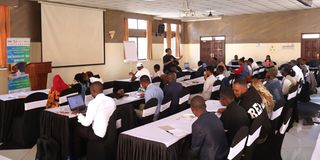
Journalists, bloggers and content creators during the digital literacy training
She notes that with the country preparing for the General Election, misinformation and disinformation pose a significant risk of fueling tensions and violence if left unchecked.
“It is important that we try to counter misinformation, disinformation and content that may escalate conflict and violence, especially around the election period,” she says.
Wanderi says journalists and digital content creators are often the first to detect rumors and emerging tensions, placing them in a strategic position to support early warning and early response efforts.
“If they can share information at the right time, then it means we are going to support quick responses and prevent conflict situations that can even escalate to violence, especially during the election period,” she notes.
She reiterates that the training is designed to ensure those shaping public conversations promote factual and verified information instead of narratives that deepen divisions.
“We have to target the people who are controlling the information flow so that members of the public can have the correct narratives because journalists will shape most of the opinions and narratives at the community level,” she says.
According to Wanderi, the initiative is also inclusive of content produced in local languages, recognizing that many Kenyans, particularly those in rural areas, consume information in their mother tongues.