Naivasha Champions league wraps up third season on a high
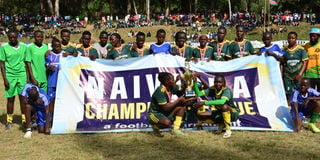
Naivasha FC 105 pose for a photo after winning the Naivasha Champions League in December.

The third edition of the Naivasha Champions League ended in style as it marked a major milestone for grassroots football in Naivasha.
The season which came to a close last week, emerged as the most competitive and well-organised editions since the tournament was launched.
Compared to earlier editions, the 2024/25 season not only attracted more teams but also demonstrated a significant improvement in the quality of football on display.

Teams demonstrated better organisation, stronger tactical awareness, and clearer development pathways for both players and clubs, signaling steady growth in the tournament.
In terms of participation, the league recorded a notable increase, drawing approximately 140 teams made up of about 120 men’s sides and 20 women’s teams. This was a rise from the previous season, which featured roughly 120 teams in total, highlighting the growing appeal of the competition across the sub-county.
Beyond the matches, the Naivasha Champions League has increasingly established itself as a pathway into the Football Kenya Federation (FKF) leagues. Over the years, the number of Naivasha-based teams competing in FKF competitions has grown steadily.
At the sub-county level, teams have increased from fewer than ten in earlier years to nearly twenty, with several others advancing to county leagues and FKF Division II.
Rainforest Farmlands FC head coach Kelvin Witinga, whose side won the men’s title, described the victory as a historic moment for the team after previous exits at the quarter-final stage.
“Winning not only showed that rural football has grown, but it also helped players realise that football can be a viable career. The tournament has really challenged our players,” he says.
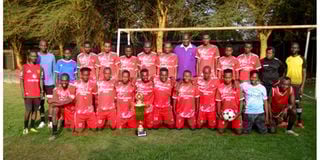
Rainforest Farmlands FC from Maiella Ward poses for a photo after winning the Naivasha Champions League
However, Witinga notes that a major challenge remains the lack of adequate football pitches in Maiella Ward. Despite this, he expressed optimism about defending the title, saying a back-to-back triumph is achievable.
In the women’s category, FC 105 Naivasha Starlets head coach Tabitha Kariuki says retaining the title was an exciting achievement, which she attributed to her players’ positive attitude throughout the competition.
She adds that lessons from previous matches helped her avoid repeating mistakes, even as the Team battled fatigue from National Super League commitments.
The tournament Patron Joseph Njoroge says this season stood out due to its high level of competitiveness, with matches proving more entertaining and tactically disciplined than in past editions.
He attributes the improvement to better team organisation, noting that most sides now have proper management structures, coaches, and administrative systems.
Winners in both the men’s and women’s categories receive Sh200,000 and a trophy, although Njoroge emphasizes that financial rewards are secondary to talent development and exposure.
Overall, the third edition of the Naivasha Champions League has cemented its role as a platform for football development with clear progression into professional leagues.