Basketball dreams dimmed by lack of training facilities in Naivasha
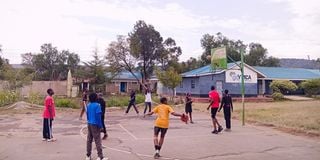
Naivasha Basketball Club players during training.

Basketball in Naivasha is steadily gaining popularity among young people; however, the sport continues to grapple with significant challenges that threaten to slow its growth.
Despite the passion and commitment of players and coaches, limited resources and inadequate support systems have hindered the game from reaching its full potential in the lakeside town.
Naivasha Basketball Club traces its roots to the Naivasha Junior Basketball Development Academy, which was established around 2009.

Since then, the academy has been training children and youth in what began as a small but determined initiative.
According to Head Coach Samson Gitau Mwangi, the journey started with a group of senior players at the YMCA who were passionate about nurturing young talent.
“From the beginning, we had seniors who initiated the program here at the YMCA. They even wrote a proposal to Safaricom Foundation to seek support,” recalls Mwangi, who had just completed high school at the time and was part of the early efforts.
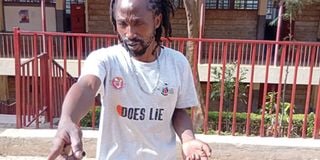
Samson Gitau Mwangi, the Coach of Naivasha Basketball Club
Over the years, the academy has trained several players, many of whom have gone on to become responsible members of society.
However, sustaining the program has not been easy. The club faces numerous challenges, including a lack of proper or public courts, basketballs, jerseys, shoes, training aids, and equipment.
In addition, league registration fees and transportation to games remain a constant burden. Consequently, the limited resources have slowed down progress and restricted the exposure of young players to competitive platforms.
“Support has been a problem. It has been difficult to do these things alone,” says Mwangi. “But we have tried, and we have trained many generations. These are great people.”
According to the academy’s strategic plan for this year, the main focus is to train young players to secure scholarship opportunities and national team call-ups.
Mwangi notes that Kenya has established national teams in various age categories, yet many talented players from Naivasha have been left behind due to limited exposure and resources.
“We want our kids to access these opportunities because we have seen that basketball can change lives,” he explains. “Our intention is to train them and get them into the market for scholarships. At the same time, we teach them discipline and character so that they can become responsible citizens.”
Mwangi believes that with proper backing, the academy could achieve much more.
“Given the support, we will do much better because we have not been having the right support,” he adds. “If we could have somebody to hold our hands, we could do better things.”
As basketball continues to inspire hope among young people in Naivasha, stakeholders are now being urged to step in and support grassroots initiatives.
With adequate facilities, equipment, and sponsorship, the town could produce players capable of earning scholarships, representing the country at the national level and ultimately transforming their lives through sport.