The end of the gate-crasher? How Nakuru event organisers are rethinking 2026
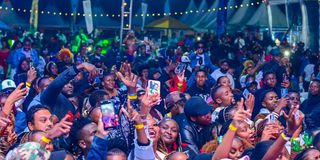
Revellers at Oldies and Soul event on December 6, 2025.

For years, the "Nakuru Way" of attending an event was a stressful game of wait-and-see. Organizers would spend weeks marketing a show, only to spend the night of the event staring anxiously at an empty gate, wondering if the crowd would show up.
Residents, on the other hand, would wait until 10:00 PM to drive past the venue, checking the "vibe" before deciding to reach for their wallets.
But as Nakuru’s entertainment scene gears up for an ambitious 2026, a quiet psychological revolution is taking place. The "gate-crasher" culture is being replaced by a sophisticated, pre-paid audience – a shift that is fundamentally changing how the city parties.


The backbone of any event is the relationship between the promoter and the attendee. In the past, that relationship was defined by a lack of trust. Promoters often over-promised and under-delivered, and in response, fans refused to pay until they saw the speakers on stage.
According to Simon Muhia, a cultural events organizer who saw a massive shift in 2025, that wall is finally coming down.
“Nakuru guys were not used to paying in advance, but what stood out was that they are now willing to prepay,” Muhia notes. “That trust is something we want to build on so that we continue delivering quality events in 2026.”
This willingness to pay in advance isn't just about convenience; it’s a vote of confidence in the local brand. When a resident buys an "Early Bird" ticket for a cultural festival three weeks out, they tell the organiser: "I trust you to provide the experience you promised."
For Steve "Stido" Muturi, CEO of Starehe Entertainment, the shift to advance ticketing is the key that unlocks international-standard productions. When the money is in the account before the doors open, organizers can stop "surviving" and start "scaling."
Stido points out that 2026 will see the Oldies and Souls series aim for international artists. Pre-paid funds allow organizers to pay the hefty deposits required by global acts.
Knowing exactly how many people are coming means better security, enough food, and shorter queues.
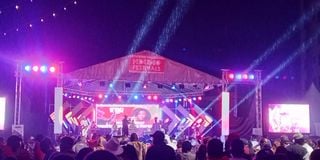
“Now we are changing the narrative,” says Stido. “We are going to do bigger events because now they have been accepted.”
When an event transitions from a "hustle" to a "business," the attendee stops being a "punter" and starts being a "customer." Ben Karimi, curator of the Nakuru Street Food Festival, argues that the pre-pay model forces promoters to be more accountable.
“The promoters who take care of their customers well are the ones who will have people coming back,” Karimi explains. By having a pre-committed audience, organizers like Karimi can focus on the experience rather than the gate.
“Promoters will have to come up with events that people enjoy and remember, more activity-based rather than just sitting down to be entertained.”
As we move further into the year, Nakuru residents can expect a "polished" calendar. The era of the "experimental" event is over. Here is how the pre-pay culture will change your weekend:
Instead of a low-quality gig every weekend, Stido suggests there will be "just three or four big ones, well-polished."
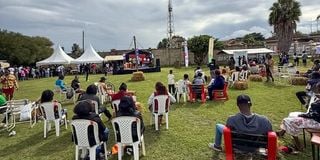
Street Food Festival on November 2, 2025.
Expect to move around. As Karimi suggests, the 2026 events will be about "trying different vendors" and "having things to do."
Promoters are now listening. “We must listen to people and ask them the kind of artists they want, instead of imposing artists on them,” Muhia says.