How library initiative by seven teachers is promoting literacy among communities in Njoro
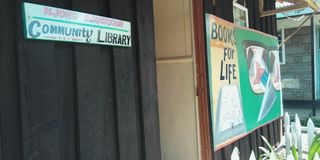
Njoro Community Library

A quiet but impactful literacy movement is steadily transforming lives in Njoro through the Njoro Community Library, an initiative spearheaded by local educators determined to revive the reading culture among children and the wider community.
Speaking during an interview, Geraldine Nanjala, a primary school teacher and chairperson of the Rift Valley Reading Association, traced the roots of the initiative to a teachers’ conference held in Nairobi in 2018. Inspired by discussions on literacy, seven teachers came together and resolved to establish a community library in Njoro.
“Our journey began after attending a conference where we realized the urgent need to promote reading culture. That is how the idea of starting a library in Njoro was born,” she said.

The Njoro Community Library officially opened its doors in 2015 and has since grown into a vital hub for learners and the local community. The facility serves a diverse group including primary and secondary school students, parents, teachers, and even university students from nearby Egerton University.
Nanjala noted that the library primarily focuses on promoting literacy, especially at a time when reading culture is perceived to be declining across the country.
She observed that during school holidays, many children tend to be idle, making the library an important space for engagement and learning.
“During holidays, we receive a large number of children. Examination candidates and university students also come to read or borrow novels for leisure,” she added.
To manage the high turnout, the library has structured schedules that allocate time for different age groups. Younger children are also accommodated through play activities, with a variety of toys available to make the environment more engaging.
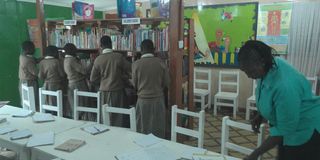
Students inside the Njoro Community Library
Since its inception, the library has recorded a significant increase in the number of users. Schools have also been integrated into the program, with institutions paying a subscription fee of Sh3,000 to borrow books for a month, enhancing access to learning materials.
Beyond daily operations, the library organizes annual reading camps, usually in December, where children participate in literacy activities such as poetry, music, and storytelling. Outstanding readers are occasionally rewarded with books to encourage continuous learning.
Despite its success, the initiative faces several challenges, including limited space, insecurity, and cases of unreturned books. The lack of secure infrastructure has also hindered the introduction of digital learning tools such as computers.
Looking ahead, the association is seeking support from donors to construct a larger, more secure facility. Plans are also underway to expand the initiative to other areas including Kuresoi.
Even with the challenges, the impact is already evident, with parents particularly businesswomen actively borrowing books to keep their children engaged, signaling a growing culture of reading within the community.