Economic hardship pushing Kihoto residents into dangerous Lake Naivasha fishing
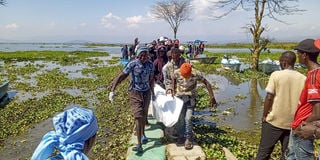
Bodies of the fishermen who drowned at Lake Naivasha being retrieved on January 2026

Residents of Kihoto estate in Naivasha have raised alarm over the worsening economic conditions that are driving young people from the estate into the dangerous fishing venture at Lake Naivasha, a move they say has led to a spike in fatal hippo attacks.
This outcry follows a tragic incident in which four fishermen drowned on Friday after they were attacked by a herd of hippos while fishing in the lake. The bodies of the four were recovered after a two-day search operation, bringing the rescue mission to a close on Sunday.
The deceased have been identified as two brothers, Sammy Apolon (26) and John Apolon (23), alongside Josphat Kamau Chege (31) and Francis Afendi (22).

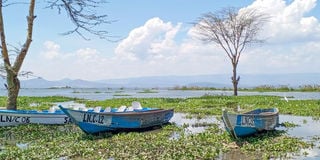
A view of Lake Naivasha
The residents of Kihoto estate were displaced from their homes by floods from the rising waters of Lake Naivasha since 2024.
According to authorities, the bodies of the Apolon brothers were retrieved on Saturday, while the remaining two were recovered on Sunday.
Residents say the incident highlights the growing desperation among unemployed youth who are increasingly venturing into hippo-infested waters in search of a livelihood.
Hassan Athuman notes that the harsh economic times have left many with limited options, forcing them to take life-threatening risks.
“Most of them are unemployed, and they choose to go into areas known to be infested with hippos because they believe they will get a better catch there,” Athuman says. “It is risky, but many are willing to take the chance because life is very tough out here.”

Hassan Athuman addressing the media after the retrieval of bodies of fishermen who drowned at Lake Naivasha.
Athuman further calls on the government to implement lasting solutions, particularly by creating employment opportunities for young people to reduce their reliance on dangerous fishing practices.
Echoing his sentiments, Grace Wanjiru describes the four men as hardworking youth who were actively involved in fishing, which she said had become the only viable economic activity following the swelling of the lake that displaced many residents.
“Most of us do not have anywhere else to go, especially after the lake swelled. Fishing is the only opportunity for the young people instead of turning to crime,” Wanjiru says.

Grace Wanjiru addressing the media after the retrieval of bodies of fishermen who drowned at Lake Naivasha.
Meanwhile, Lakeview Ward MCA Alex Mbugua urges the government to gazette beaches around Lake Naivasha, saying this would pave the way for the development of proper landing sites and diversify economic activities.
“Once gazettement happens, it will allow the development of landing beaches, which will create more opportunities for young people instead of depending solely on fishing,” Mbugua says.
At the time of the incident, the four fishermen were in the company of six others who narrowly escaped death by diving into the water and climbing nearby trees.
The recovery operation was led by the Nakuru County Disaster Management Team, and the bodies of the deceased are currently preserved at the Naivasha Hospital Mortuary.