Why soft retirement is becoming an option for professionals
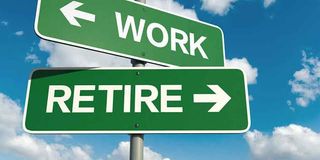
An illustration of career path

Retirement is increasingly taking a different shape as professionals seek alternatives to the traditional model of working full-time for decades before leaving the workforce completely.
According to career coach Roy Ndombi, soft retirement is becoming an attractive option for professionals who want to gradually reduce their workload while remaining financially, socially and intellectually engaged.
Ndombi explains that soft retirement allows individuals to transition into advisory, mentoring, consulting, board, freelance or part-time roles instead of making a sudden exit from their careers.

One of the major drivers of the trend, he says, is financial security. With concerns over whether pensions, savings and investments will adequately sustain retirees for many years, continuing to earn an income, even on a reduced basis, can ease financial pressure and allow individuals more time to strengthen their investments.
Beyond finances, Ndombi notes that work often provides people with a sense of identity, purpose and belonging. Consequently, leaving employment abruptly can result in boredom, isolation and a feeling of losing relevance.
“Soft retirement allows professionals to remain connected to their fields while contributing at a pace that aligns better with their changing priorities,” Ndombi says.
Moreover, the approach offers greater flexibility for professionals dealing with family responsibilities, personal interests or the desire for a less demanding lifestyle. Individuals can choose selected projects, mentor younger colleagues, serve on boards or provide strategic advice without the pressure associated with full-time employment.
At the same time, soft retirement creates an avenue for experienced professionals to transfer institutional knowledge and practical skills to younger generations. Ndombi says sectors that rely heavily on experience, including project management, healthcare, finance and nonprofit development, can particularly benefit from such knowledge transfer.
Additionally, a gradual transition can make the psychological adjustment to retirement easier by allowing individuals to maintain professional relationships, routines and intellectual stimulation while slowly redefining their roles.
Employers, too, stand to benefit from the arrangement through improved succession planning and retention of critical institutional knowledge. A retiring manager, for instance, can mentor a successor or provide strategic support before fully exiting.
Ndombi says professionals considering soft retirement should plan early by defining their desired workload, income, responsibilities, timeline and boundaries. They should also review pension, healthcare, tax and contractual considerations with qualified professionals.