What you need to know before applying for that fellowship opportunity
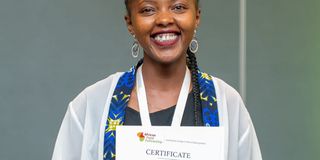

Applying for competitive fellowships can be a daunting process for many young professionals, but according to African Food Fellowship alumna Serah Mutahi, success is not determined by academic qualifications alone. Instead, she believes authenticity, preparation, leadership, and a clear sense of purpose are what set outstanding applicants apart.
Drawing from her journey in the African Food Fellowship, Serah has shared practical lessons that can help anyone hoping to secure opportunities in local or international fellowship programmes.
For her, the decision to apply was driven by more than the desire to add another certificate to her résumé.

"I was looking for my tribe—people who shared my vision and passion for transforming Kenya's food systems. I also wanted to learn from experts while sharing my experience in the aquaculture sector," she says.
One of the biggest lessons she learned is that applicants should never be intimidated by the achievements of others. Although many candidates possessed advanced academic qualifications and extensive experience, she remained confident in her own journey.
"I did not feel the need to perform because I believed I was where I was supposed to be," she recalls.
According to Serah, confidence comes from adequate preparation. She advises prospective applicants to begin researching fellowship programmes months before applications open. Understanding the fellowship's objectives, eligibility requirements and values allows applicants to tailor their applications and develop a compelling narrative without the pressure of rushing at the last minute.
She also emphasizes that fellowship applications should go beyond listing qualifications and achievements. Recruiters are looking for individuals who demonstrate leadership, resilience, systems thinking, collaboration and effective communication.
"Different programmes have different requirements, but leadership, community engagement and the ability to work with others are qualities that consistently stand out," she explains.
Community involvement, she adds, is often one of the strongest indicators of an applicant's potential impact.
"Recruiters want people who can work with communities and other stakeholders to solve problems. Your involvement demonstrates that you can create change beyond your workplace," she says
Another key lesson is the importance of storytelling. Rather than simply stating accomplishments, applicants should explain the journey behind their work, including the challenges they faced, the partnerships they built and the lessons they learned.
"A personal story humanizes your application. It shows your resilience, leadership and growth while helping recruiters connect with your experiences," says Serah.
She further encourages applicants to adopt a leadership mindset by demonstrating how their work contributes to solving broader societal challenges. Showing adaptability, innovation and the willingness to learn can significantly strengthen an application.
Serah advises applicants to seek mentors and supervisors who understand their work and can provide specific examples of their leadership potential and commitment to creating change.
She also recommends building professional networks and continuously learning through various platforms like Acumen Academy, which expose applicants to emerging ideas, innovations and global conversations.
Looking back, Serah says the fellowship transformed both her personal and professional life. It exposed her to policymakers, entrepreneurs, researchers and community mobilisers, helping her transition from being a technical aquaculture expert to a systems change leader. The experience has since opened opportunities in consulting, advisory work and cross-sector collaborations.